Production Overflow
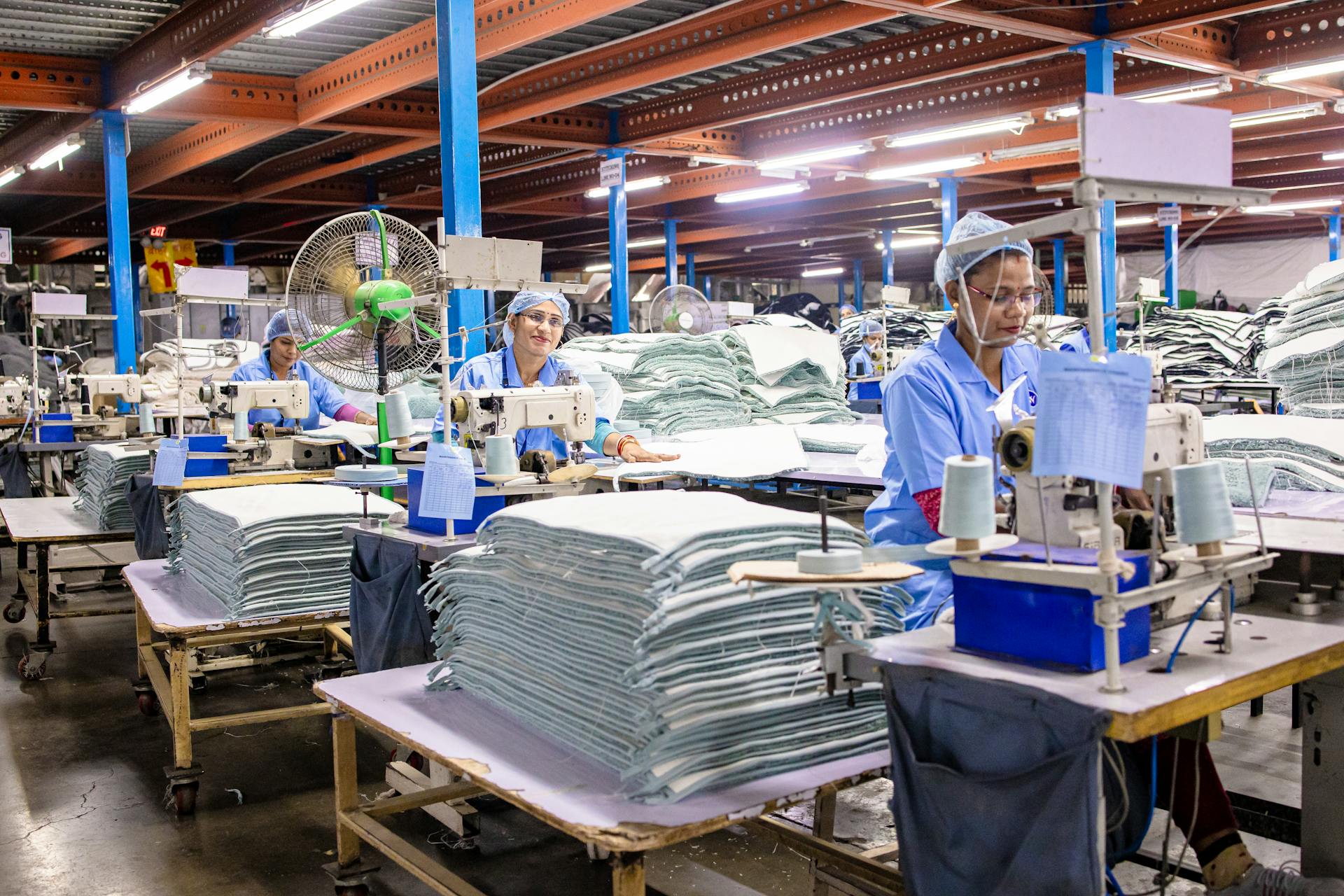
Factory Overproduction
Industrial output outpaces need, creating constant textile surplus that quickly becomes waste.
Thread & Trace · Environmental Exhibit · 2026
Admission free · Open now
Environmental Exhibit · Room Entry
An evidence-based walk through extraction, pollution, and disposal — the supply chain fast fashion never shows you.
Room One · Hidden Cost
Water extraction, chemical dyeing, factory overproduction, and disposal all happen before and after we wear clothing. Waste is the business model.
Production Overflow
Industrial output outpaces need, creating constant textile surplus that quickly becomes waste.

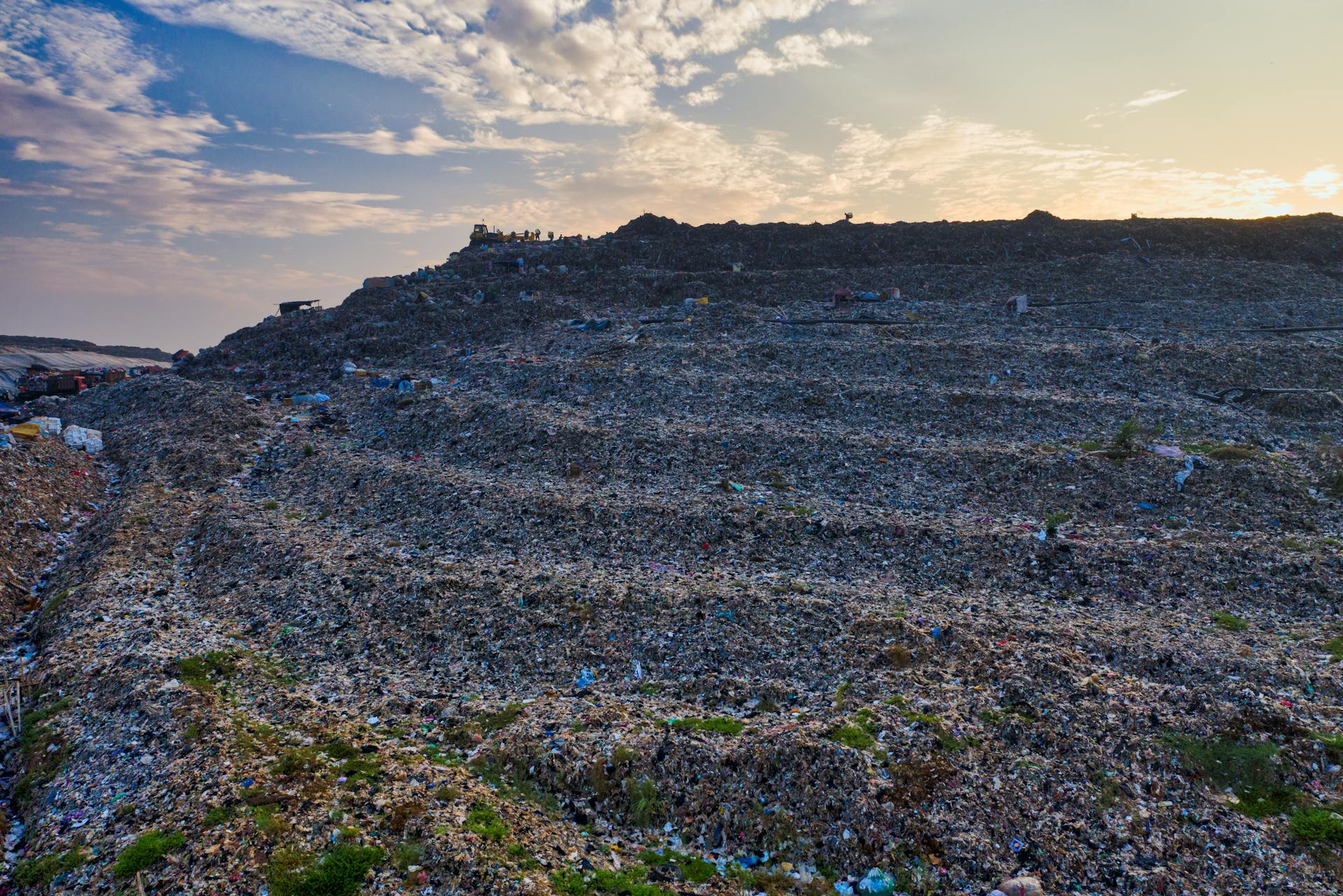
Post-Consumer Waste
Most discarded garments are burned, buried, or exported to communities least able to absorb the damage.

Water & Chemical Runoff
Room Two · Textile Pollution
Dyes and finishing chemicals move from factory floor to river systems. Microfibers pass through waterways into soil, seafood, and our bodies.
Fashion contributes nearly 10% of global emissions while scattering persistent synthetic particles throughout ecosystems.
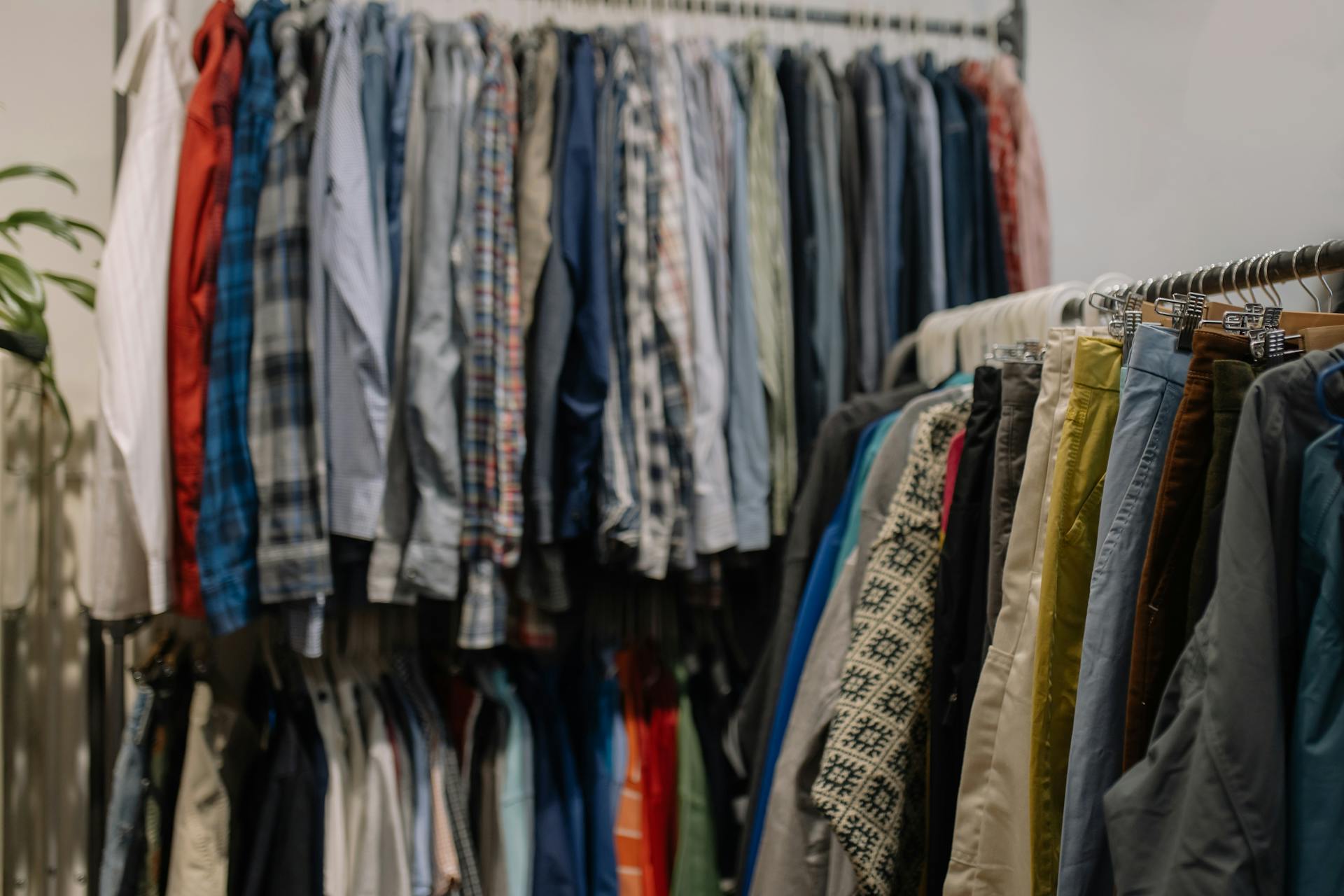
Consumption Engine
Room Three · Overconsumption
Retail velocity encourages constant buying and immediate discard. The closet becomes a temporary warehouse, not a long-term archive.
Global Waste Field
Room Four · Waste at Scale
This room shifts from reading to evidence. Scroll through routes, smoke, and particles that show where clothing goes after trend cycles end.
Data Installation
0M
tonnes
textile waste generated globally each year
0%
of clothing
ends up incinerated or in landfill
0K
tonnes
of microfibers shed into oceans annually
0+
years
for synthetic fabrics to decompose in soil
Interactive Logistics Graphic
Routes below represent transfer corridors from consumption centers to overflow landscapes.
Chile and Ghana receive overflow by design
Documented hotspots include the Atacama Desert (Chile) and major resale overflow zones in Ghana.
Unsold stock is often burned to preserve brand value
Incineration of synthetic textiles can release dioxins and greenhouse gases.
Invisible particles move from laundry to ocean to body
Microfibers have been identified in marine sediment, drinking water, blood, and placental samples.
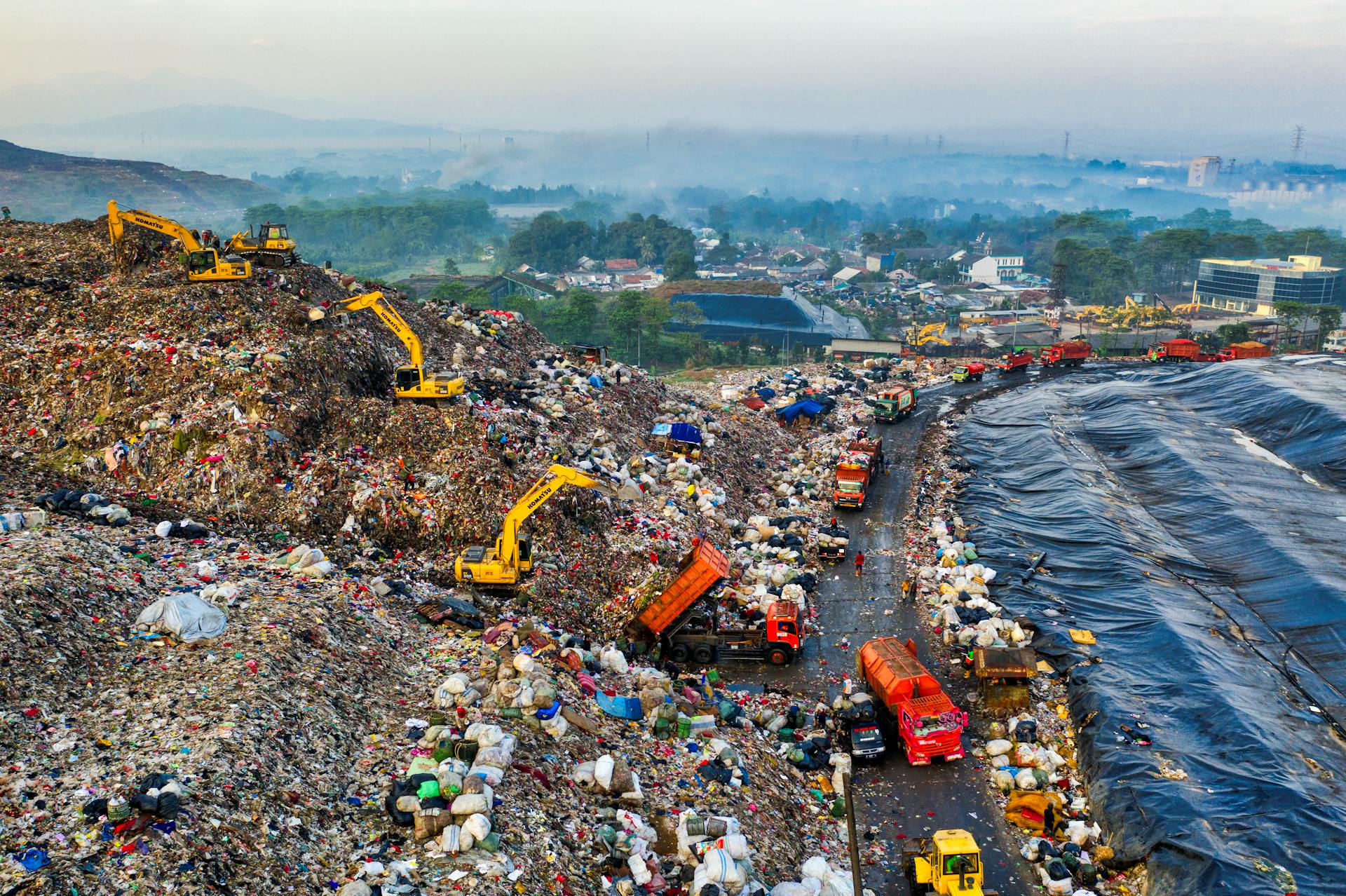
Less than 1% of textiles are recycled into new garments
Global fiber-to-fiber textile recycling remains below 1%.
Room Five · Upcycling & Sustainability
This room introduces alternatives that reduce extraction and waste by extending garment life through care and creativity.
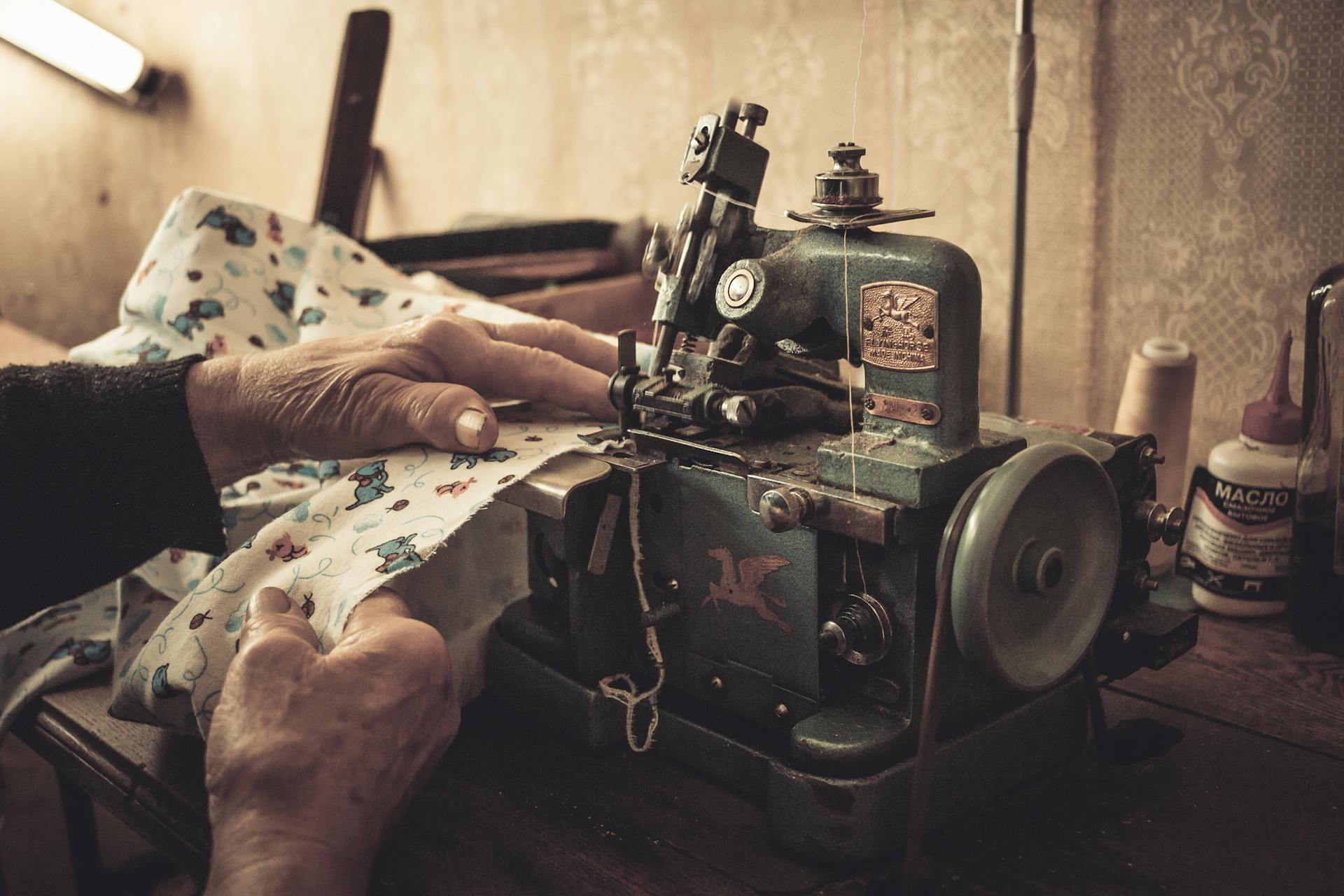
Repair Studio
Visible mending and repair keep garments in active use.
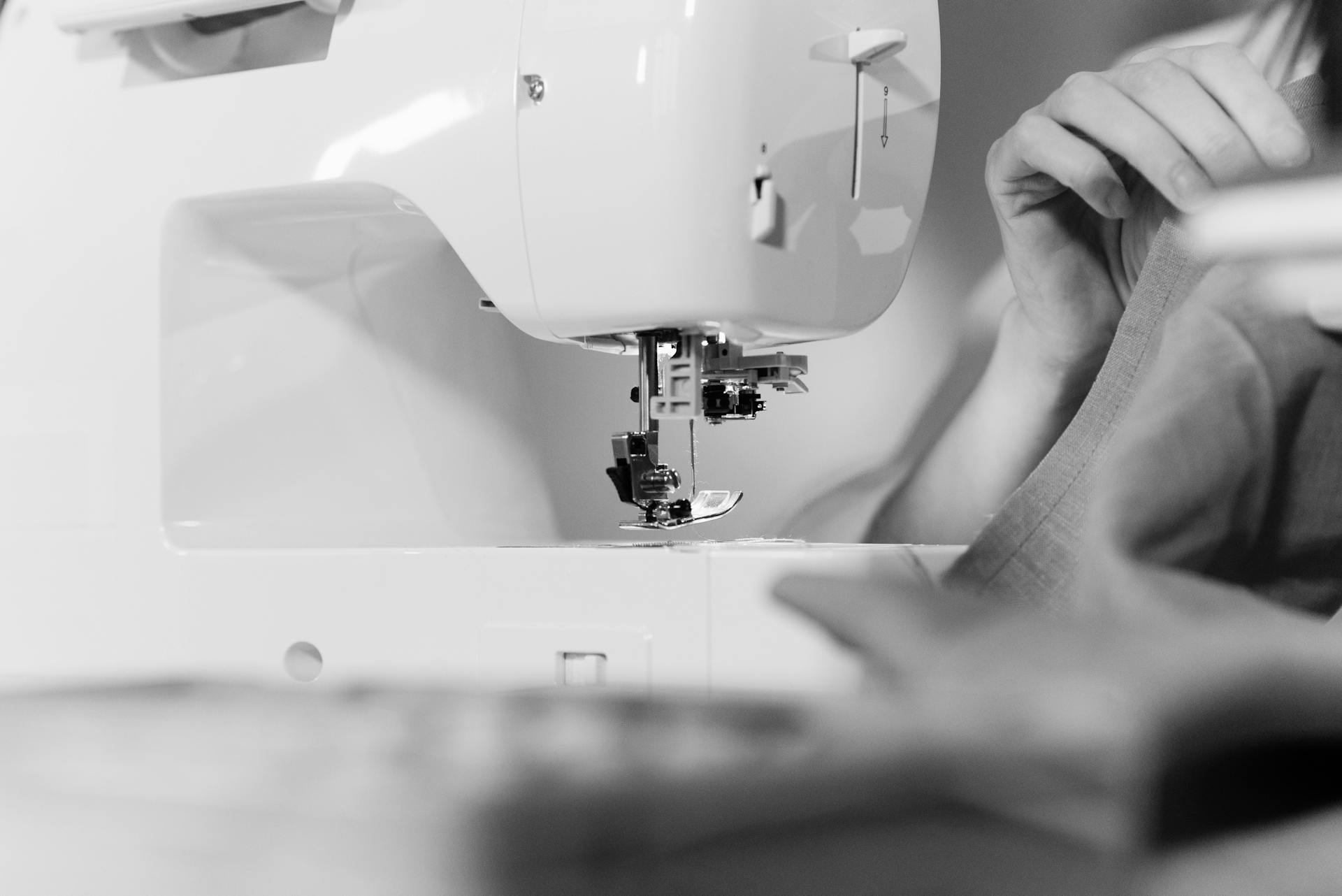
Reconstruction
Cutting and resewing transforms discarded textiles into new pieces.
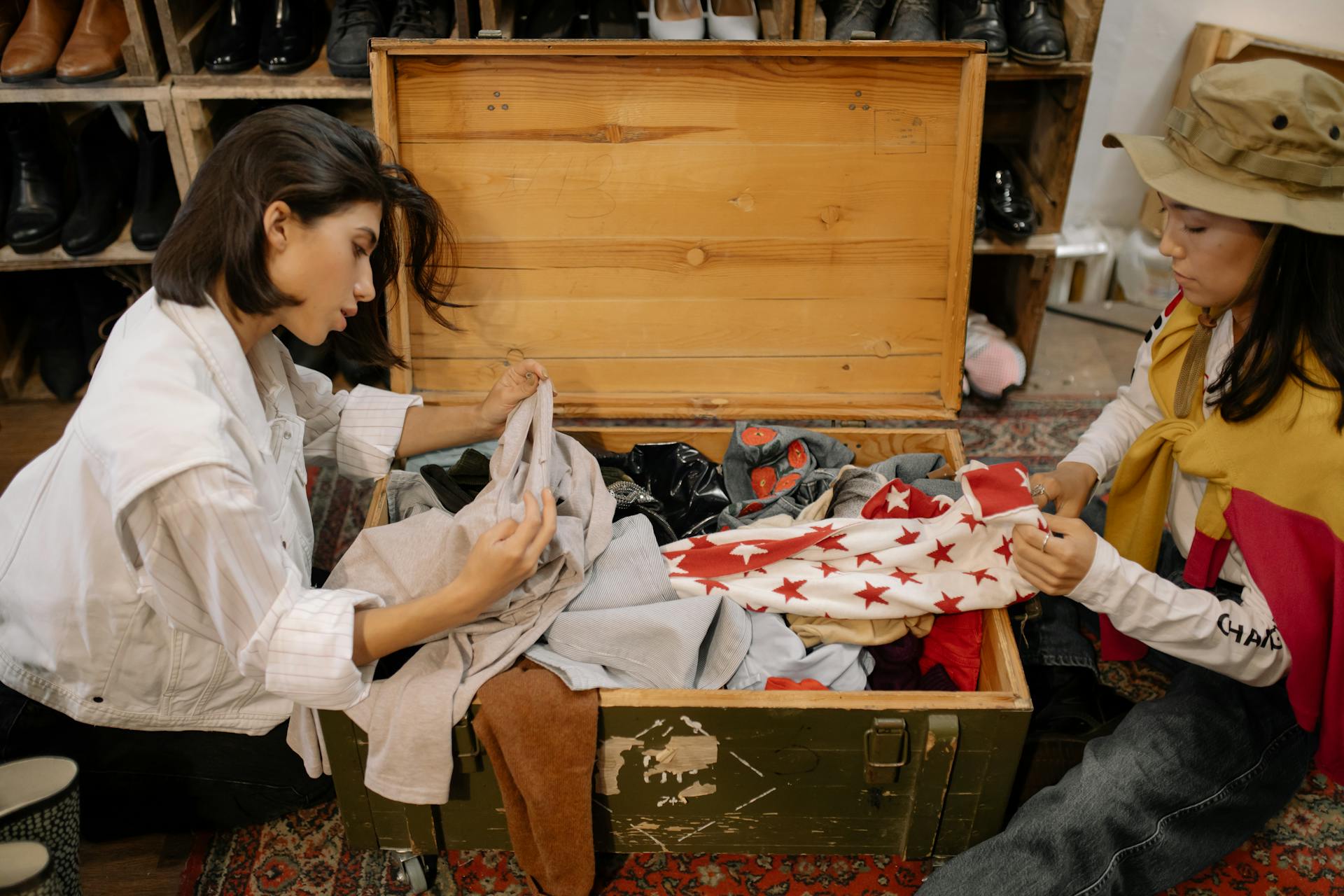
Circular Use
Second-life circulation keeps clothing out of landfill streams.
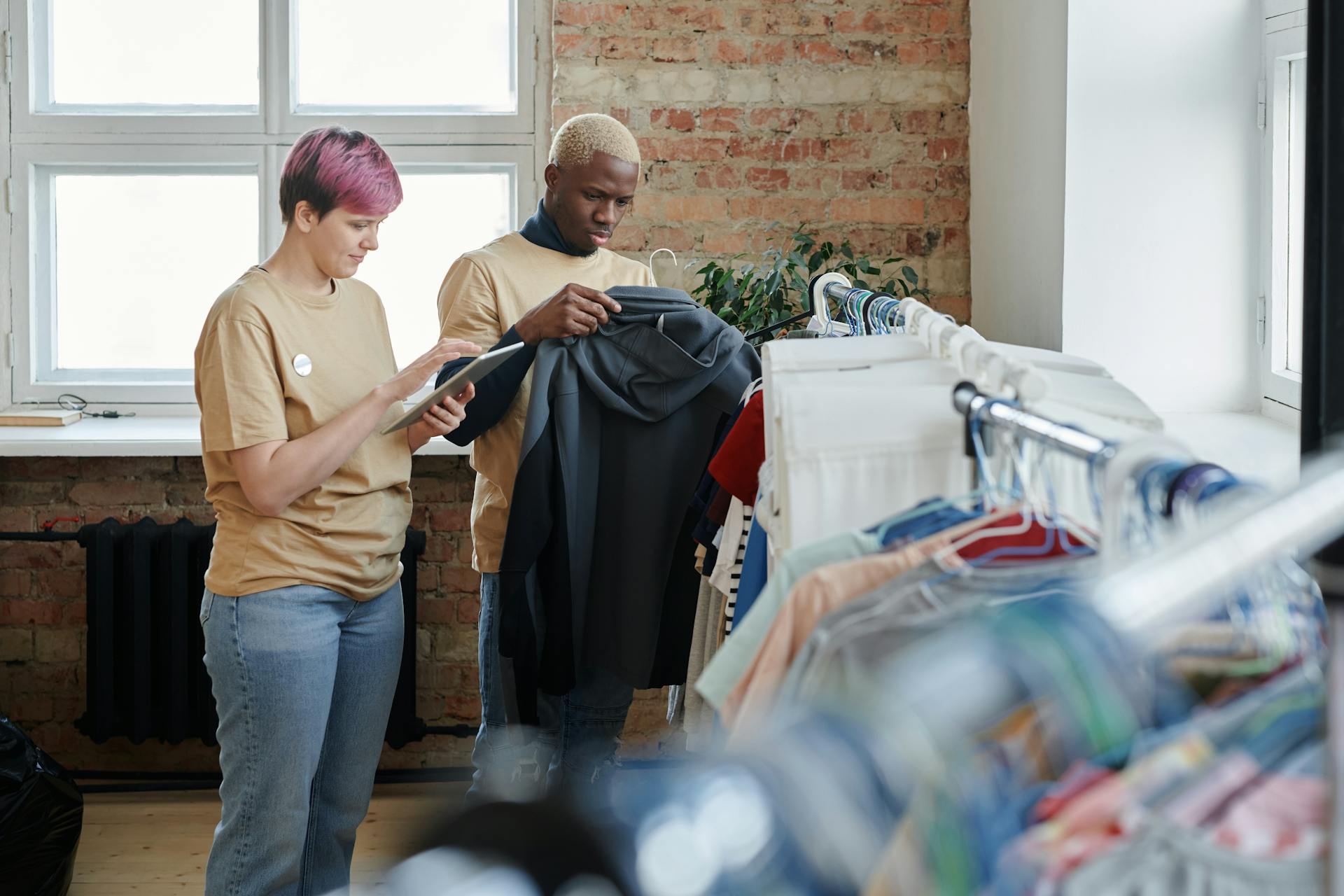
Knowledge Transfer
Community skill-sharing scales sustainable habits.
Member Access
Sign in to bookmark rooms, save reflection notes, and continue your route across devices.
Every purchase, repair, and conversation can shift fashion from extraction to stewardship.